

First love is made to feel enormous by this emotional concoction. But should your marriage be based on that emotion? The question compels one to decide between pragmatic fact and romantic nostalgia.
The weight of first love is unique. The first handshake, the first inside joke, the first vulnerable secret shared—no other relationship has the same exhilaration of discovery. This first stage, which psychologists refer to as “limerence,” is an instinctive state of intense passionate desire that fosters close bonds.
Why People Consider Marrying Their First Love
The pull toward a first partner rests on three pillars.
1. Strong emotional connection
The guardedness that develops after heartbreak is circumvented by first love. Without the protective systems that are necessary for later relationships, you learn intimacy. Because the relationship exists before experience, it feels pure.
2. Shared history and memories

After the first, no partner will remember you before you became your current self. Your first love is a witness to your beginnings. It creates a special connection. Compared to couples that met through dating situations, those who began as friends reported greater levels of commitment, trust, and relationship satisfaction, according to research on relationship starting paths.
3. Trust and familiarity
First relationships frequently develop naturally from preexisting friendships or educational settings. A 2025 survey found that 43% of Indian singles now think that friendships are the foundation of the finest relationships, with chemistry and emotional ease coming later. Building a foundation of relational safety later on may be more difficult if there has never been romantic trauma.
Is Marrying Your First Love the Right Choice?
The answer depends on how the relationship functions, not how it began.
1. Growing together over time
Young couples may grow up at the same time. various couples have various patterns of satisfaction, according to research on long-term relationship trajectories. Some couples are able to maintain high levels of connectivity through mutual adjustment. A first love marriage can thrive if both partners commit to continuous personal development rather than expecting each other to stay the same.
2. Better understanding of each other
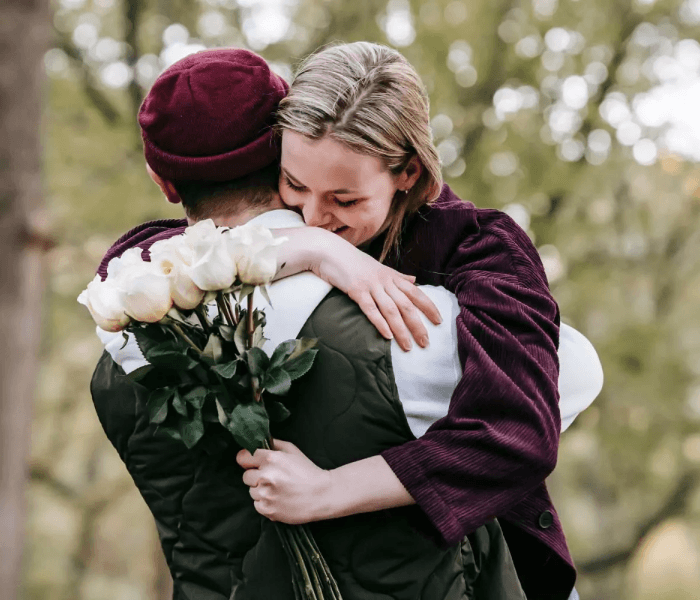
Adolescent couples often have a profound awareness of each other’s unspoken wants, fears, and triggers. This connection cannot be accelerated. It accumulates by shared lived experience.
3. Strong emotional foundation
After surviving the early storms of life together, first-love marriages that survive the first ten years report a sense of resilience. When there is no past partnership to compare, conflict resolution focuses on the current issue rather than past relational baggage.
4. Limited relationship experience
The calibration that comes from previous relationships is absent from a first-time partner. Without a baseline to compare, they might not be able to identify concerning behaviors. Idealized love aspirations, especially when unfulfilled, are a poor predictor of relationship outcomes, according to a 2025 study. When two people fall in love for the first time, they could confuse passion for compatibility.
5. Personal growth and changing goals

Between the ages of 20 and 30, people go through major transformations. A 2025 study that tracked couples for ten years found that relationship satisfaction often declines with age and relationship duration. The person you loved when you were 19 could not be with you when you were 29. You must choose to love those future strangers and acknowledge that you will both change as people if you want to marry your first love.
6. Long-term compatibility matters
Marriage cannot be sustained by love alone. According to research, the most crucial elements for enduring partnerships are shared values, beliefs, and lifestyles. According to a 2025 study, women in particular give compatibility more weight than romantic intensity when choosing a spouse.
Common Challenges to Consider
1. Fear of missing other experiences
When asked to recall a poor dating decision, people are more than three times more likely to recall a missed opportunity than a rejection. People who are single in particular become fixated on love fantasies. A happy marriage could be ruined if this fear is not handled.
2. Unresolved conflicts

First-love couples often lack the ability to resolve conflicts because of their previous relationship failures. Without a framework for productive dialogue, small disputes become long-lasting issues.
3. Changing priorities over time
A 2025 study found that respecting marriage as an institution rather than rushing into it is linked to long-term stability. A couple must often assess whether their personal paths still align after marrying their first love.
Signs Your First Love Could Be the Right Partner
1. Healthy communication
Partners can talk about uncomfortable topics without getting more heated. Relationship specialists claim that respect for one another, honest communication, and equal opportunities for both partners to express their feelings are essential components of healthy relationships. If you can point out a problem without your partner becoming defensive, the relationship has structural integrity.
2. Mutual respect and trust

Respect means honoring your partner’s independence, convictions, and boundaries. Having faith that someone will act in your best interests even when you are not present is what it means to trust them. A spouse who leads with clarity, rather than leaving you to guess or interpret conflicting signals, provides the safety that long-term commitment deserves.
3. Shared values and future goals
Higher levels of commitment, intimacy, and relationship satisfaction are reported by couples who regularly share basic behaviors, according to Pew Research Center research. Talk about children, finances, employment, and your desired residence before getting married. On these points, there is greater consensus than romantic history.
Conclusion
Some couples find success in marrying their first love, while others do not. The existence of functioning relationship dynamics, rather than the lack of other partners, is what makes the difference. There is a good possibility that a first-love marriage based on honest communication, respect for one another, and shared ideals will endure. When faced with genuine pressure, a first-love marriage that relies solely on shared history and nostalgia will fail. The plot feels finished, so don’t get married. Get married because it is a successful partnership.
FAQs
1. Is it normal to have doubts before marrying your first love?
Indeed. Regardless of past relationships, doubts are common. When suspicions are particular, persistent, and linked to underlying incompatibilities, there is cause for concern.
2. How can we grow together rather than apart?
Make a commitment to both personal and collective development. Maintain friendships outside of the relationship, pursue distinct interests, and review common objectives on a regular basis.
3. Should we date other people before deciding?
For some couples, taking a vacation helps them gain perspective. For others, separation results in irreversible distance. There isn’t a universal solution.
4. What if we have changed into different people?
Introduce yourself again. As if you were meeting for the first time, ask each other questions about your present values, aspirations, and anxieties. The shared present is more important than the common past.