
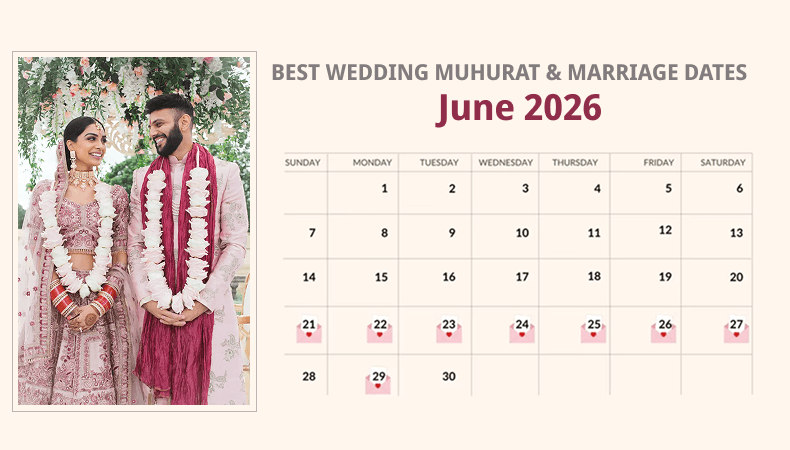
A wedding is more than a ceremony. It is a threshold. In Hindu tradition, the moment a couple steps into matrimony carries weight; planetary alignments, lunar phases, and even the hour of the day are believed to influence the journey ahead.
Getting married and starting a lifetime journey with the person you love is one of the most treasured life events in human history. It takes a significant amount of time, money, and—most importantly—effort to plan and carry out weddings and pre-wedding events. One of the many occasions that family members celebrate is the wedding ceremony, which is a custom that the couple and their families adore.
A wedding is more than just a tradition; it brings two different lives and families together under one roof. In order to complete this ritual, you must first ask God’s blessing and decide when it will be most convenient for you. Your entire future and your connection with that specific person may depend on the moment you give them the ring. Time is of the essence here. You will gain a great deal from matching your ceremony with the appropriate muhurat.
Astrologers usually refer to these times and dates as Tithis or lunar days. Constellations are the main factor that determines the auspicious hour, even if there are several factors that could influence the muhurat planetary positions. Hindu tradition states that if the engagement or Sagai is carried out in compliance with the Shubh Muhurat, happiness and prosperity will accompany a couple for the duration of their lives and beyond. The holy union of marriage is blessed by the gods at that same moment. Your search may be less stressful if you use this list.
Why choose a Muhurat?
According to Hindu cultural scriptures, there are thirty muhurats throughout a day, each lasting an average of forty-eight minutes. But it’s crucial to keep in mind that not all of them are considered to be auspicious for rituals and holy ceremonies.
Be one with the energy of the cosmos.
You have to match the cosmic energy with your own aspirations in order to perform a ceremony during a Shubh Muhurat. Vedic astrology determines the most harmonic time for your ceremony based on the positions of the Sun, Moon, planets, constellations, and other celestial bodies.
Avoid doshas (bad effects).
Conducting your wedding during unfavorable times may result in conflicts with planetary movements. This could result in doshas, or adverse outcomes. You might be able to prevent these astrological anomalies by choosing the best time and date for your ring ceremony.
Read More: Complete List of Hindu Wedding Muhurat Dates for 2026
Key wedding dates of June 2026
The Hindu months of Jyeshtha and Ashadha coincide with June 2026. The following dates have been assessed using standard panchang principles, favoring Shukla Paksha and important nakshatras like Rohini, Mrigashira, and Uttaraphalguni while avoiding Rahu kaal, and unlucky tithis.
| Date | Day | Muhurat Timing | Nakshatra | Tithi |
| June 21, 2026 | Sunday | 09:31 AM – 11:21 AM | Uttara Phalguni | Saptami |
| June 22, 2026 | Monday | 10:31 AM – 05:24 AM (June 23) | Hasta | Ashtami, Navami |
| June 23, 2026 | Tuesday | 05:24 AM – 10:13 AM | Hasta | Navami |
| June 24, 2026 | Wednesday | 01:59 PM – 05:25 AM (June 25) | Swati | Dashami, Ekadashi |
| June 25, 2026 | Thursday | 05:25 AM – 07:08 AM | Swati | Ekadashi |
| June 26, 2026 | Friday | 07:16 PM – 05:25 AM (June 27) | Anuradha | Dwadashi, Trayodashi |
| June 27, 2026 | Saturday | 05:25 AM – 10:11 PM | Anuradha | Trayodashi |
| June 29, 2026 | Monday | 04:16 PM – 04:03 AM (June 30) | Mula | Purnima |
21st June 2026, Sunday
A bright mid-morning muhurat under Uttara Phalguni.
Panchang
- Tithi: Saptami
- Nakshatra: Uttara Phalguni
- Paksha: Shukla Paksha
- Muhurat Timing: 09:31 AM – 11:21 AM
- Vaar: Sunday (Ravivaar)
22nd June 2026, Monday
Spanning from Monday morning into the early morning of Tuesday, this Hasta muhurat gives you enough room to celebrate at your own pace.
Panchang
- Tithi: Ashtami, Navami
- Nakshatra: Hasta
- Paksha: Shukla Paksha
- Muhurat Timing: 10:31 AM – 05:24 AM (June 23)
- Vaar: Monday (Somvaar)
23rd June 2026, Tuesday
A peaceful morning window is perfect for couples.
Panchang
- Tithi: Navami
- Nakshatra: Hasta
- Paksha: Shukla Paksha
- Muhurat Timing: 05:24 AM – 10:13 AM
- Vaar: Tuesday (Mangalvaar)
24th June 2026, Wednesday
With Swati nakshatra rising post-noon, this muhurat is well-suited for couples who love an elegant evening wedding that flows into the night.
Panchang
- Tithi: Dashami, Ekadashi
- Nakshatra: Swati
- Paksha: Shukla Paksha
- Muhurat Timing: 01:59 PM – 05:25 AM (June 25)
- Vaar: Wednesday (Budhvaara)
25th June 2026, Thursday
A brief morning muhurat, simple and sacred.
Panchang
- Tithi: Ekadashi
- Nakshatra: Swati
- Paksha: Shukla Paksha
- Muhurat Timing: 05:25 AM – 07:08 AM
- Vaar: Thursday (Guruvaara)
26th June 2026, Friday
Anuradha guides this evening muhurat.
Panchang
- Tithi: Dwadashi, Trayodashi
- Nakshatra: Anuradha
- Paksha: Shukla Paksha
- Muhurat Timing: 07:16 PM – 05:25 AM (June 27)
- Vaar: Friday (Shukravaar)
27th June 2026, Saturday
A full-day blessing under Anuradha.
Panchang
- Tithi: Trayodashi
- Nakshatra: Anuradha
- Paksha: Shukla Paksha
- Muhurat Timing: 05:25 AM – 10:11 PM
- Vaar: Saturday (Shanivaar)
29th June 2026, Monday
A radiant full moon night where you can bask under Mula’s spiritual light.
Panchang
- Tithi: Purnima
- Nakshatra: Mula
- Paksha: Shukla Paksha
- Muhurat Timing: 04:16 PM – 04:03 AM (June 30)
- Vaar: Monday (Somvaar)
Factors to Consider Beyond the Date
A muhurat is a starting point; there are several other factors that you need to consider to ensure a proper and hassle-free wedding. Venue availability in June, especially in popular wedding destinations, can be competitive. Summer heat in many regions means planners often favor morning or evening slots. And while the dates above are broadly auspicious, individual horoscopes may refine the selection further. A personalized panchang check, factoring in the couple’s nakshatras and family traditions, will help to ensure that the date and time chosen are actually beneficial to you and your future family.