When you watch a beautifully crafted wedding film, you can immediately sense the difference from a standard video. Cinematic wedding films have a distinct quality that elevates them beyond simple documentation. They feel like watching a movie rather than home footage, evoking powerful emotions and telling a compelling story. But what exactly creates this cinematic magic? Understanding the artistic elements behind these films can help you appreciate the craft and choose the right videographer for your celebration.
The Foundation: Composition and Framing
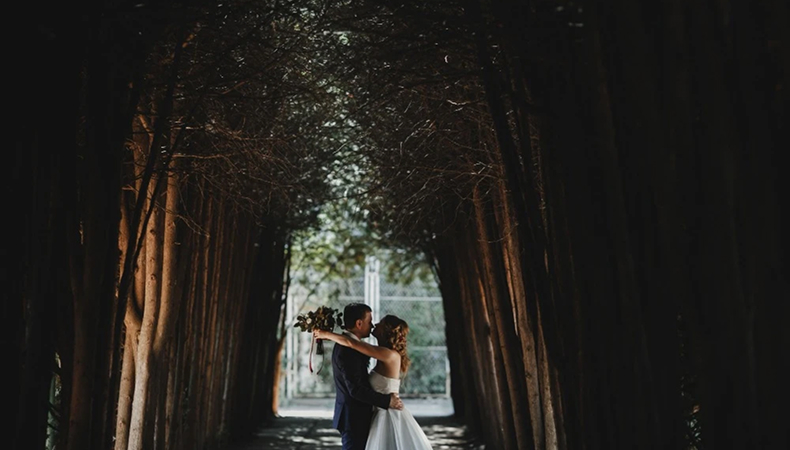
Cinematic wedding films begin with intentional composition. Every shot is carefully framed to create visual impact, just like scenes in a feature film. Videographers who master this craft think about leading lines, symmetry, depth, and balance in each frame. They don’t simply point the camera at the action; they consider how elements within the frame interact to create a visually compelling image.
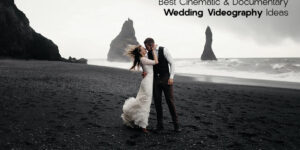
Image Source – Wezoree
The rule of thirds plays a big role in cinematic composition. Rather than placing subjects in the centre of the frame, cinematographers position them off-centre to create more dynamic and interesting visuals. They also use foreground elements to add depth, making two-dimensional video feel three-dimensional and immersive.
Camera movement is equally important. Cinematic films use smooth, deliberate movements rather than shaky handheld footage. Gimbals, sliders, and stabilisers allow videographers to create flowing camera movements that guide the viewer’s eye through the scene. These movements might be subtle pans, elegant tracking shots, or dramatic reveals that build anticipation and emotion.
Lighting: Painting with Shadows and Highlights
Lighting transforms ordinary moments into extraordinary visuals. Cinematic wedding videographers approach lighting the way painters approach a canvas. They understand how different light sources create mood, highlight emotions, and add drama to scenes.
Natural light receives special attention in cinematic work. The golden hour, that magical time just before sunset, provides warm, flattering light that looks stunning on film. Skilled videographers plan key moments around this timing when possible, or they know how to work with available light to create beautiful results.
When natural light isn’t enough, cinematic videographers bring in additional lighting that looks natural rather than artificial. They might use subtle fill lights to soften shadows on faces during evening receptions, or add backlighting to create separation between subjects and backgrounds. The goal is enhancing what’s already there, not creating a studio setup that feels staged.
Understanding contrast is also key. Cinematic films embrace shadows rather than trying to eliminate them. The interplay between light and shadow adds depth, mood, and visual interest. A bride standing in a shaft of light coming through a window, with the room darker around her, creates far more impact than flat, even lighting across the entire scene.
Colour Grading: The Emotional Palette
One of the most distinctive elements of cinematic wedding films is sophisticated colour grading. This post-production process goes far beyond basic colour correction. It involves carefully crafting the overall colour palette to evoke specific emotions and create a cohesive aesthetic throughout the film.
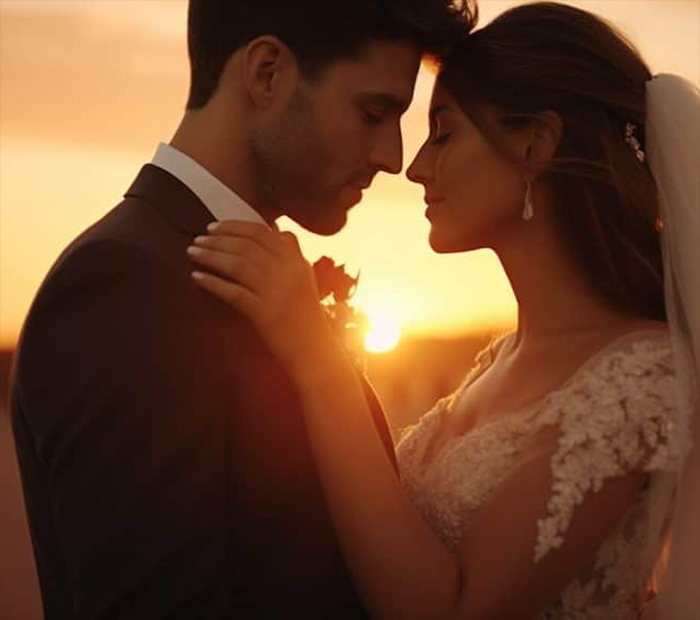
Different colour grades create different moods. Warm tones with golden highlights create a romantic, nostalgic feeling. Cooler tones with teal shadows can feel more elegant and contemporary. Desaturated colours with selective colour pops create an artistic, fashion-forward aesthetic. The best videographers choose a colour grade that matches the overall vibe of your wedding and enhances the emotional story.
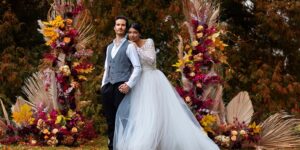
Image Source – Shak Studios
Consistency is equally important. Cinematic films maintain a cohesive look from beginning to end, even though your wedding day includes vastly different lighting conditions. The getting-ready scenes in the morning, the ceremony in afternoon light, and the reception in evening lighting all need to feel like parts of the same visual story. This requires skill and attention to detail during the grading process.
Skin tones receive special care in professional colour grading. Regardless of the overall colour palette, your skin should look natural and flattering. This is where amateur videos clearly differ from professional cinematic work; skilled colourists ensure everyone looks their best while maintaining the artistic vision.
Sound Design and Music Selection
While visuals capture attention first, sound design separates good wedding films from exceptional ones. Cinematic wedding videographers treat audio as an essential storytelling element, not an afterthought. They record high-quality audio from multiple sources: vows, speeches, ambient sounds, and natural reactions.
The audio mix in a cinematic film is carefully balanced. Vows and speeches are clear and prominent when featured, but they’re blended with ambient sound and music to create emotional impact. You might hear laughter from guests in the background of your first look, or the sound of waves if you married by the ocean. These layers of sound create immersion and authenticity.
Music selection dramatically affects the emotional journey of your film. Cinematic videographers choose tracks that complement rather than overpower the story. The music builds and releases tension, highlights emotional beats, and ties different segments together. Many license music from professional libraries rather than using mainstream tracks, ensuring the music serves the film rather than distracting from it.
Some videographers incorporate multiple audio elements into key moments. During a first dance, you might hear your actual vows whispered over the music, creating a powerful emotional callback. During montages, carefully selected music might be interwoven with laughter, tears, or meaningful dialogue captured throughout the day.
Storytelling and Narrative Structure
Perhaps the most defining characteristic of cinematic wedding films is their focus on storytelling. These films have a beginning, middle, and end. They take viewers on an emotional journey rather than simply presenting chronological events.
The best cinematic wedding films incorporate narrative elements that give context and meaning to the day. This might include pre-wedding footage showing your relationship, interviews about your love story, or narration from vows and speeches woven throughout the film. Videographers like Gordon Wedding Films have pioneered this approach, combining documentary-style authenticity with cinematic aesthetics to create films that feel like short movies rather than event documentation.
Pacing plays a major role in storytelling. Cinematic films know when to slow down and let emotional moments breathe, and when to pick up energy for celebration scenes. The editing rhythm mirrors the emotional arc of your day, building anticipation for the ceremony, creating intimacy during vows, and ramping up excitement for the reception.
Transitions between scenes are smooth and purposeful rather than jarring. A shot of you looking out a window during getting-ready might transition to an exterior shot of your venue, connecting different parts of your story. These thoughtful connections make the film feel cohesive and intentional.
Camera Equipment and Technical Excellence
Cinematic wedding films require professional-grade equipment. High-end cameras with large sensors create that beautiful shallow depth of field where the subject is tack sharp while the background melts into soft bokeh. This look immediately signals quality and artistry.
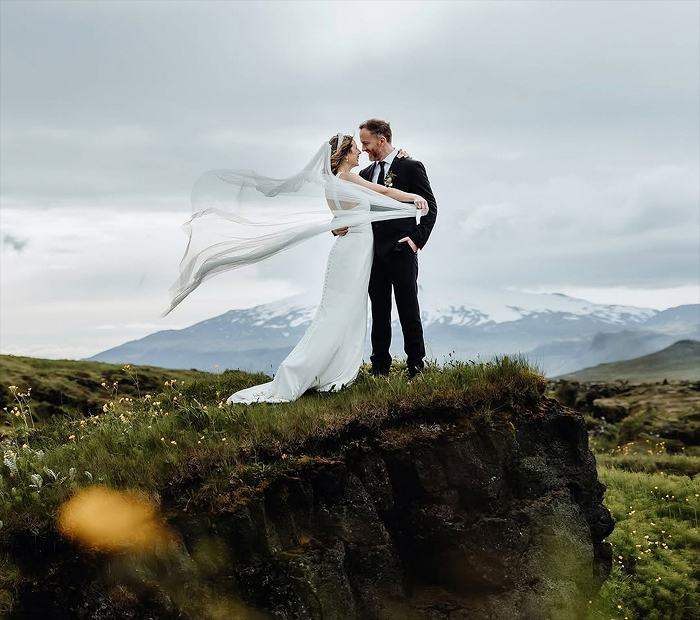
Frame rates make a significant difference in the final product. Cinematic videographers shoot at higher frame rates than standard video, which allows for smooth slow-motion footage. A bride’s veil blowing in the wind, tears rolling down a cheek, or confetti raining during the exit all gain emotional impact when slowed down and set to music.
Multiple camera angles ensure complete coverage while maintaining a cinematic aesthetic. Rather than relying on a single camera operator scrambling to capture everything, professional teams position multiple cameras strategically. This allows for seamless cutting between angles and ensures no important moment is missed.
Drone footage has become an increasingly popular element in cinematic wedding films. Aerial shots establish the venue’s grandeur, showcase beautiful landscapes, and provide stunning transitions. However, the best videographers use drones sparingly and purposefully rather than overwhelming the film with aerial footage.
The Difference between Documentary and Cinematic
Many wedding films combine documentary and cinematic approaches, but understanding the distinction helps clarify what makes cinematic films unique. Documentary-style focuses on capturing events as they unfold naturally, with minimal interference or direction. Cinematic-style incorporates more artistic choices in composition, lighting, and presentation.
Cinematic videographers might ask you to repeat a moment so they can capture it from a better angle or in better light. They might direct you briefly during couple portraits to create specific shots they’ve envisioned. Documentary purists avoid this intervention, but cinematic filmmakers embrace it as part of the artistic process.
However, the best cinematic wedding films still feel authentic and real. The direction is subtle enough that moments don’t feel staged or unnatural. You’re still experiencing genuine emotions; the videographer is simply ensuring those emotions are captured in the most visually stunning way possible.
What you see on filming day is only half the process. Post-production is where cinematic wedding films truly come to life. This phase can take weeks or even months, as videographers meticulously edit, colour grade, and refine every aspect of your film.
The editing process involves reviewing hours of footage to select the perfect moments. Experienced editors know which shots evoke emotion, which moments tell your story, and how to sequence them for maximum impact. They might try dozens of different music tracks to find the one that perfectly matches the mood of a particular scene.
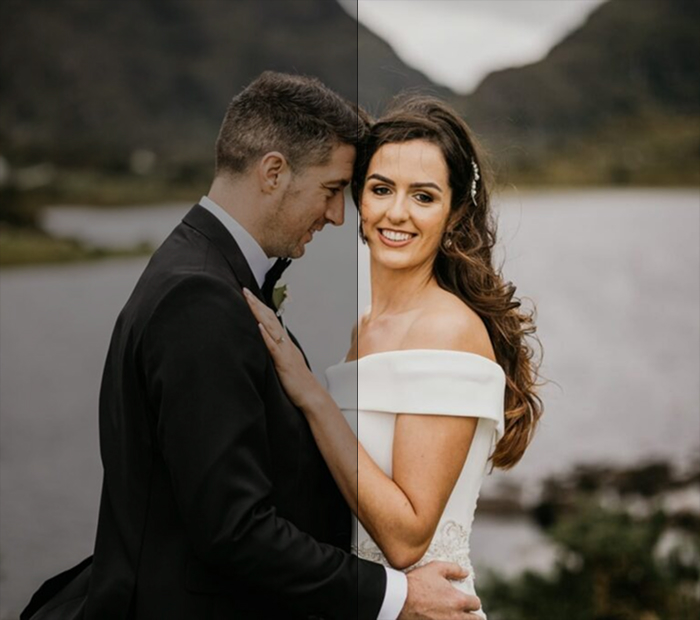
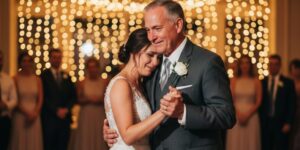
Image Source – Darren Byrne Photography
Audio mixing is painstaking work. Editors balance dialogue levels, remove background noise, add sound effects where appropriate, and ensure music doesn’t overpower important moments. They might spend hours perfecting the audio for your vows alone, ensuring every word is crystal clear and emotionally resonant.
Visual effects, when used, are subtle enhancements rather than obvious manipulations. This might include smoothing out camera movements, removing distracting elements from the background, or adding subtle light leaks for artistic effect. The goal is always enhancing reality, not creating something false.
How to Recognise Quality Cinematic Work
When researching videographers, certain hallmarks indicate truly cinematic work. Look for smooth camera movements rather than shaky footage. Notice whether the colour grading is consistent and intentional throughout the film. Pay attention to audio quality and how well different sound elements are mixed together.
The emotional impact of the film is perhaps the best indicator. Does it make you feel something, even though you don’t know the couple? Do you find yourself emotionally invested in their story? Quality cinematic work transcends the specific event to create something universally moving.
Watch full films, not just highlight reels. Many videographers can create stunning two-minute trailers, but a full-length film reveals their storytelling ability, pacing skills, and consistency. Can they maintain your attention for 15-20 minutes? Does the film have a clear arc and emotional journey?
Technical perfection should be balanced with authentic emotion. The most beautiful cinematography in the world falls flat if it doesn’t capture genuine moments and real feelings. The best cinematic wedding films achieve both technical excellence and emotional truth.
Is the Cinematic Style Right for your Wedding?
Cinematic wedding films require certain conditions and approaches to achieve their full potential. If you want complete non-interference and pure documentation, a fully documentary approach might suit you better. Cinematic videography involves some level of direction and artistic interpretation.
These films also require appropriate timing and planning. Your videographer might request specific times for couple portraits to catch the best light. They might need access to your venue early to set up equipment and plan shots. Being open to this collaboration ensures the best results.
Budget is another consideration. The equipment, expertise, and extensive post-production time required for cinematic films typically cost more than standard wedding videos. However, for couples who value artistry and want their wedding preserved as a piece of visual storytelling, the investment creates an heirloom you’ll treasure forever.