When a marriage faces recurring battles rather than productive arguments, it often involves a high-conflict personality. However, when that friction results in cycles of constant, intense, & emotionally draining conflict, it’s likely that it is indicative of an individual with a high conflict personality.
A couple caught in an endless cycle of blame, drama and emotional exhaustion will likely grow further apart instead of resolving their issues. The first step towards breaking such a cycle and protecting one’s mental peace is to comprehend how this pattern has developed.
In a long-term relationship, repeated conflict results in emotional instability and distance between partners. By recognizing the symptoms of high-conflict personalities (described above) early on in a relationship, it is possible for partners to react more appropriately and to limit the degree of long-term damage to the marriage.
When Every Small Issue Turns Into a Big Fight
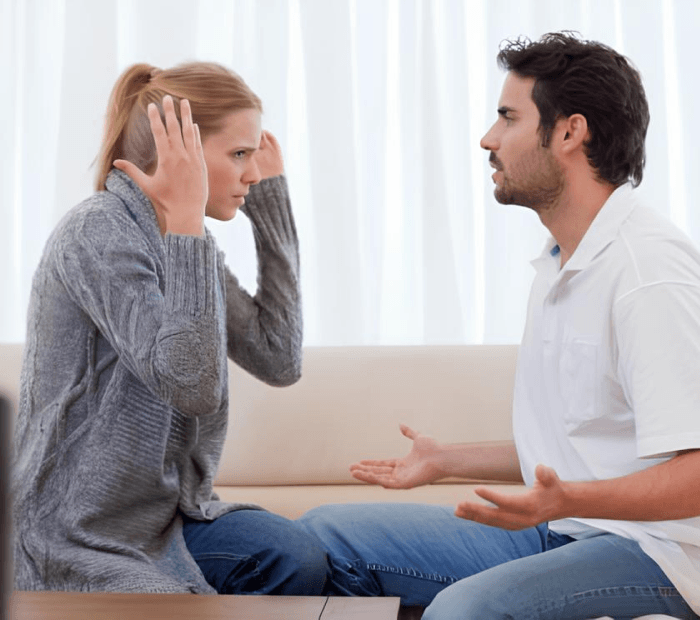
Any type of disagreement has the potential to escalate into an emotional warfare situation when you are in one of these relationships. What should be a relatively easy conversation or interaction turns into an overwhelming and draining experience. Over a long period of time, this leads to a feeling that conflict is inevitable.
You’ll notice it when:
Minor misunderstandings turn into major arguments
Discussions quickly shift to blame instead of solutions
One partner always feels “attacked” or misunderstood
What Is a High-Conflict Personality?
People with a high conflict personality type are those who struggle with emotional regulation, resulting in an intense range of emotional responses during times of high stress.
Typically, their responses will create or heighten conflict instead of using some form of conflict resolution to solve issues. Their behavioural patterns developed over time in these relationships tend to repeat themselves consistently by continuing to create conflict in the future.
Reacts intensely to criticism
Struggles with emotional control
Creates or escalates conflict in relationships
How It Affects Marriage (The Real Impact)
1. Emotional Exhaustion Becomes Normal
When there’s continual fighting in a marriage, it drains our emotional energy and eventually leads to mental fatigue. The couple’s connection becomes less supportive and comforting and even their good times together become fleeting as well.
Constant arguments drain energy
You start walking on eggshells
Peace feels temporary, not stable
2. Communication Breaks Down
Image Source: freepik.com
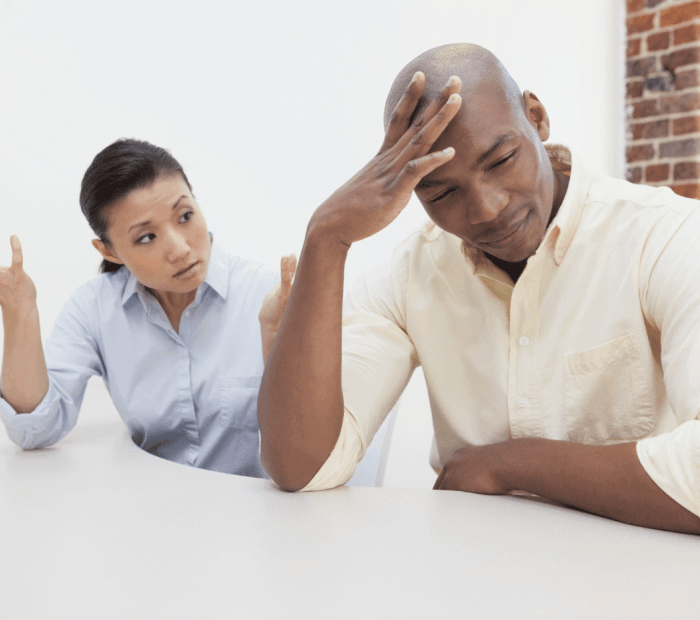
Healthy communication begins to vanish when every conversation leads to a disagreement and both partners become focused on protecting themselves rather than listening to their spouse’s viewpoint. This creates emotional distance and leads to frustration and resentment.
In relationships where conflict is a normal part of interactions, accountability often gets replaced by blame. Problem-solving gives way to a competition to prove who is “right” and who is “wrong”, leading to unresolved issues and continued distrust.
“It’s always your fault” becomes a pattern
Apologies are rare or insincere
Problems never truly get solved
4. Emotional Safety Gets Damaged
A successful, intimate relationship is built on a foundation of emotional safety, but constant conflict will destroy that base. One partner will feel afraid or anxious about expressing their feelings, while the other becomes increasingly frustrated with their partner’s inability to listen.
Fear of triggering the partner
Avoiding honest conversations
Feeling unheard or invalidated
5. Intimacy Slowly Fades
Image Source: leaphope.com
An emotional bond diminishes as the amount of conflict increases. Over time, couples will replace their feelings of intimacy with frustration and distance from each other. Ultimately, a marriage begins to feel like a heavy burden.
Emotional distance increases
Resentment builds silently
Connection turns into tension
Common Types You Might Recognize
Difficult personalities tend to exhibit recurrent and similar relational patterns. These patterns create predictable yet difficult-to-escape methods of creating conflict between individuals. Over time, they contribute to ongoing emotional instability.
The Blamer → Always finds fault in you
The Attacker → Uses harsh words during conflict
The Stonewaller → Shuts down and avoids discussion
The Manipulator → Twists situations to gain control
These patterns often repeat, making conflict cycles continuous
Why It Happens (Not Just “Bad Behavior”)
High-conflict behavior does not occur in isolation, it is usually based on an underlying emotional problem. A person’s past experiences and emotional triggers help determine how they respond in their relationships. When you understand the basis for this type of behavior, it becomes easier to manage some of its negative effects.
Dealing with a high-conflict partner requires patience and awareness, coupled with strong boundaries, you cannot control their behavior. However, you can control how you respond to them. The primary purpose of dealing with a high-conflict partner is to de-escalate conflict, rather than “winning” an argument.
➢ Stay Calm (Even When It’s Hard)
Image Source: medium.com
Remaining calm will prevent further escalation of the situation by preventing emotional responses from creating more conflict
Reacting emotionally fuels the conflict
Calmness helps de-escalate tension
➢ Set Clear Boundaries
Boundaries are important for protecting your emotional and mental health in difficult situations and for setting clear requirements for acceptable behaviour.
Define what behavior is unacceptable
Be consistent with consequences
➢ Use “I” Statements
Using an effective communication style will reduce the amount of blame being placed on each participant in an argument. It will help each participant to clearly express their feelings during a conversation. It will make the entry way for less defensive conversations and more constructive ones.
Instead of:
❌ “You always create drama”
Try:
✔ “I feel overwhelmed when arguments escalate”
➢ Don’t Engage in Every Argument
Image Source: strategicsalesqueen.com
Not all conflicts require a response from you or energy from you. Deciding on when to step back can stop an unnecessary escalation of the problem.
Not every conflict needs your energy
Sometimes, disengagement is power
➢ Focus on Solutions, Not Winning
Resolving conflict is not the same as winning an argument. Finding a resolution will help create a healthier way for you to communicate with each other.
Shift from “who’s right” → “what helps us”
Encourage problem-solving conversations
➢ Practice Strategic Communication (BIFF Rule)
Using a structured form of communication will help minimize the emotional intensity of the argument and make the conversation more controlled as well as more focused.
Brief
Informative
Friendly
Firm
➢ Encourage Professional Help
There are times when the need for outside assistance may be required in order to break the cycle of toxic relationships. Seeking professional support will help you gain clarity and bring structure to the communication process.
Therapy helps identify patterns
Couples counseling improves communication
Change is possible but requires willingness
When to Rethink the Relationship
Some relationships won’t get better, even when you work hard on them. It’s important to see if you’re in a harmful place and to leave, if you keep going, you will create long-term damage to yourself from staying in a toxic cycle.
Red flags you shouldn’t ignore:
Emotional abuse or constant blame
No willingness to change
Repeated toxic cycles without improvement
The Reality Check
Arguments alone don’t lead to the failure of marriages with high conflict, rather, it’s that there are lots of unresolved conflicts. The cumulative effect of emotional damage that accumulates over time is what destroys the bonds between couples and creates the need for balance and mutual effort.
They fail because:
Conflicts never get resolved
Emotional safety disappears
One partner carries all the effort
Conclusion
A partner with a high-conflict personality may create an ongoing battle out of the act of loving their partner, however, they do not have to remain there. Through setting boundaries, gaining awareness and implementing certain proven strategies, couples can have a lower amount of chaos while restoring stability to their relationship.