Introduction
Not all wedding stories begin with a ring. In many Indian families, they begin with a Roka. This wonderful pre-wedding ritual officially seals the occasion when two families agree to get married. It’s an intimate, emotional, and very traditional occasion. Get to know about the Roka ceremony and see why it deserves to be celebrated with utmost sincerity and love.
What Is a Roka Ceremony?
Have you ever wondered what actually happens before the grand Indian wedding season officially begins?
The Roka ceremony meaning can be traced to the Hindi verb “rokna”, which means to stop. As such, the ceremony signifies that both the bride and groom have stopped looking for a life partner. They have found each other and both families formally acknowledge this mutual agreement.
In India the Roka is the first formal pre-wedding ritual in North Indian wedding traditions. It is not a big public affair. It is a small gathering of relatives and friends, the elders bless the couple, gifts are given and the two families officially join forces.
It’s the emotional starting point for everything to come further. The Roka is not about just two people coming together. It’s about two families joining together, their stories, their values, the future.
The Significance of Roka in Indian Weddings
What makes such an intimate ritual so authoritative, wounding and resonant throughout generations?
Roka is much more than an acknowledgment. Previously, especially in Punjabi and North Indian families, it was a way for families to seal an alliance on mutual agreement and family blessing. Earlier generations, romantic relationships were not so social and Roka was the only way a commitment could be formalized.
As of today, it has taken over a new shape. As love marriages are widespread, couples are attending it together. It is a celebration rather than a family negotiation. But you can tell with your senses, the essence of Roka is not lost.
The Roka ceremony in Punjabi culture is sacred. The dholak being played, elders sitting in the living room and the respectfulness of the occasion, it’s always a beautiful, solemn and cult-like ceremony. Pataaree Studios, a popular Indian wedding website, says the Roka has always more to do with the emotional significance of both families saying “yes”, before wedding celebrations begin.
Who Attends a Roka Ceremony?
The guest list for a Roka is crucial yet small.
Traditionally the Roka is celebrated at the bride’s residence but for some couples it’s more convenient to choose a restaurant, garden or a neutral spot. In brief, attendees are:
- The immediate families of the bride and groom
- Close relatives like grandparents, aunts and uncles
- Sometimes very close family friends
It is not a social affair. It is intentional and meant to be intimate. The key to a Roka isn’t a social announcement, but the two families actually come together for Roka.
Read Also: 8 Post Marriage Rituals in Hindu Wedding
Step-by-Step Roka Ceremony Rituals
What happens during a Roka ceremony? From start to finish the rituals follow a natural sequence that feels warm and structured simultaneously.
1. The Puja
A pandit performs a puja to pray for the couple’s future together. The puja has a reverent tone that reverberates throughout the rest of the ceremony.
2. The Tilak Ceremony
A relative from the bride’s side applies the tilak on the groom’s forehead, signifying honour, respect and the bride’s family welcoming into their household. This is probably the most eye-catching moment at a roka tilak ceremony.
3. Exchange Gifts and Sweets
Both sides exchange gifts as a token of good wishes and celebration. Common gifts are dry fruit, gold jewellery, sweets and clothes. The exchange symbolizes the merging of both households into one.
4. Blessings from Elders
Grandparents and elder family members bestow blessings upon the couple. This moment carries some of the most profound emotional weight to the entire event. The couple is connected to their history and shares their heritage with their partners, by being blessed by the grandparents of both sides.
5. The Aarti
The bride’s mother, or a senior female relative, performs an aarti for the groom, welcoming him. It is full of excitement, love and is often accompanied with traditional songs.
6. Eating and dancing with music
After the formalities, a big celebratory meal or high tea follows. Many Punjabi families have a dholak playing and everyone dances and eats together at dinner. Sharing food like this is the most natural and pure way to celebrate the joining of two families.
Roka vs Engagement: What Is the Difference?
People sometimes use these two terms interchangeably, but there are real differences.
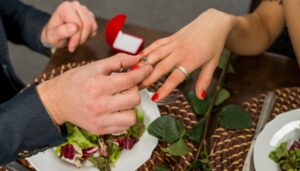
Roka gifts are exchanged. Photos taken but no rings. Roka Guest lists are commonly small – usually just the families. Roka is a bonding wrapped in spiritual meaning, with a relaxed gathering. Engagement is more formal, more social events, rings are exchanged, people take photos and there are many more guests.
In terms of timing, the Roka typically comes first, soon after both families have agreed on the match. The engagement may come weeks or months later as a more formal public proclamation. Rituals differ as well. The Roka involves the tilak, puja and exchange of gifts and sweets between the families. The engagement, meanwhile, is primarily the couple exchanging rings.
Some modern couples even combine the two into a single ceremony for the sake of convenience. Traditional families, however, usually keep the two events separate so each will have its distinct cultural purpose: the Roka is more about family approval, and the engagement is more about public proclamation and love.
Roka Ceremony Gifts: What to Give
Gifts at a Roka carry symbolic meaning beyond their material value.
Traditional gifts from the groom’s family to the bride:
- Gold jewellery including bangles, earrings, or a necklace
- Embroidered dupatta or bridal fabric
- Dry fruits presented in decorative thalis
- Mithai boxes filled with traditional Indian sweets
Gifts from the bride’s family to the groom:
- Clothes including a kurta set or sherwani fabric
- Dry fruits and sweets
- Accessories such as a watch or cufflinks
Modern families sometimes include roka ceremony gift ideas like personalised keepsakes, experience vouchers, or premium homeware alongside traditional items. The gesture matters more than the monetary value. Every item exchanged represents goodwill between the two households.
Roka Ceremony Across Different Indian Communities
The core sentiment of the Roka exists across multiple Indian communities, though names and specific rituals differ.
- In Punjabi and Sikh families it is called Roka and carries the rituals described above
- In some Hindu communities it is referred to as a Sagai or Nischitartham
- In Bengali weddings a similar ceremony called Paka Dekha formalises the family agreement
- In Rajasthani traditions a comparable ritual marks the formal union of families before wedding planning begins
The underlying meaning across all these variations remains consistent. Two families formally agree, exchange blessings, and commit to the journey ahead together. Pre-wedding rituals in Indian culture universally prioritise family involvement and spiritual blessing before public celebration begins.
How to Preserve Your Roka Memories
The Roka ceremony is imbued with some of the most moving moments in any wedding journey.
The tilak, the aarti, the elder family blessings, the shared laughter during the meal – these moments are beautifully captured in the photographs, sometimes more poignantly than the main wedding day photos could ever convey.
With the Happy Wedding App, couples can create personal digital wedding albums for their complete wedding journey from Roka through to reception. Instead of saving these photographs in dispersed phone galleries where they are forgotten with time, a curated digital album keeps each function alive with intention and aesthetic beauty.
Write captions in your Roka gallery to describe the rituals that unfolded, add family members’ names and the emotions that flowered that day. All these details, which might not be remembered when you look at them a few years later, are more meaningful than any aesthetic filter could ever be.
Conclusion
The Roka is not merely a simple formality prior to the commencement of the grand wedding activities. It is a moment when two families choose each other, give their blessings and pledge to support the couple’s journey ahead. Its intimateness is its strength.
In a world of increasingly elaborate wedding productions, the quiet warmth of a Roka gathering reminds everyone present that marriage begins not with spectacle but with family, sincerity, and love.