An Indian wedding is an extravaganza of colours, music, food, and family and the clothes you wear form a huge part of the celebration. Usually weddings last for several days involving several functions that demand different attire.
Once you’ve got an invitation and are looking for something to wear, the following guide gives information about what to wear on different occasions along with colour and fabric choices and accessories for men and women.
Understand the Wedding Before You Pick the Outfit
Before you begin your search, here are a few things you need to know:
- Type of wedding. Punjabi Sikh wedding, South Indian Tamil wedding and Bengali weddings are three very different weddings with their own styles and traditions.
- Number of functions. Find out from the organizers or any family member how many functions you’re invited to – mehndi, sangeet, haldi, wedding and reception.
- Venue and time of year. A wedding by the sea in Goa and a wedding in a palace in Rajasthan call for completely different clothes. A daytime function during summer demands a particular fabric.
- Time of day. Daytime functions look good in soft shades whereas evening functions can be sparkly and elaborate.
If an invitation mentions a theme or dress code, follow it. When in doubt, a quick message to the hosts is always welcome.
Read Also: Indian Wedding Food Menus by Religion: A Complete Guide
What to Wear to Each Function
➥ Mehndi
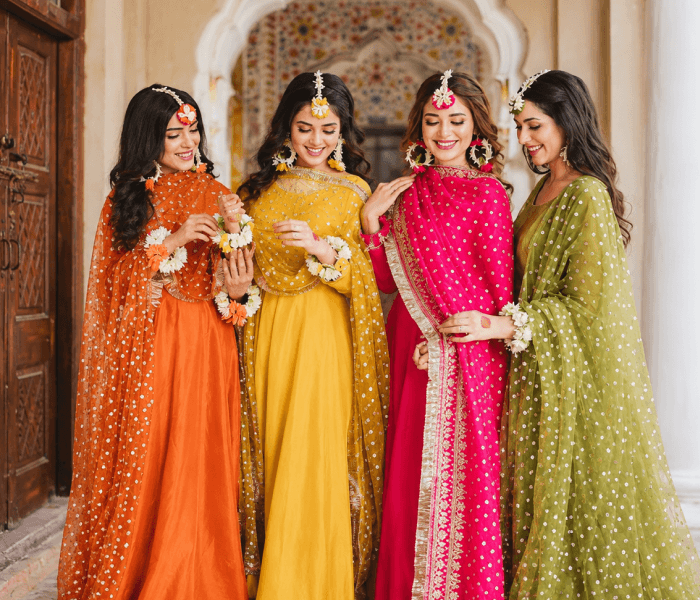
The mehndi is fun and carefree, usually done during the afternoon. Bright and comfy are keywords.
Women: A cotton or georgette lehenga, sharara set, anarkali or a printed saree in green, yellow, orange or pink colors. Go for floral designs for the occasion.
Men: A colorful kurta that is simple in design and matching with churidar, pyjama or trousers. Wear something in linen or cotton for comfort.
➥ Haldi
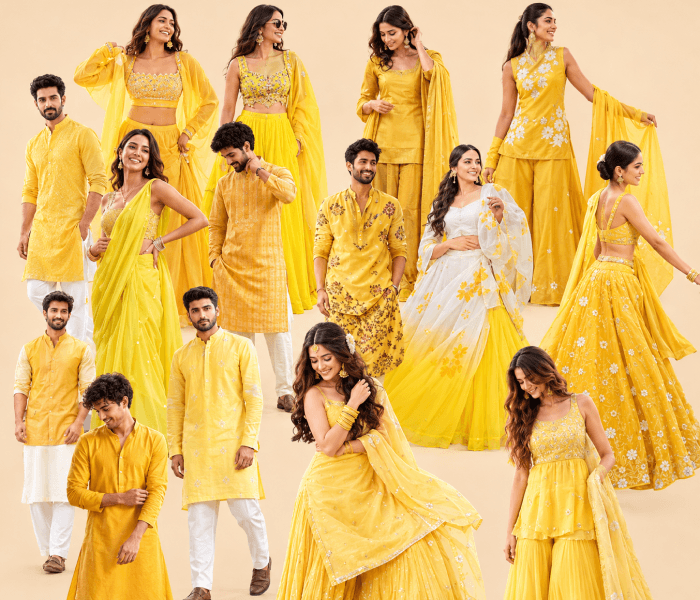
The haldi ceremony is a dirty process with turmeric paste application on the bride and throwing. Yellow is the key color in it.
Women: Cotton suit, saree or lehenga in yellow, white or pastel shades. It should not be something that could get spoiled.
Men: Plain cotton kurta or shirt in yellow, white or cream colors. Don’t choose expensive outfits.
➥ Sangeet
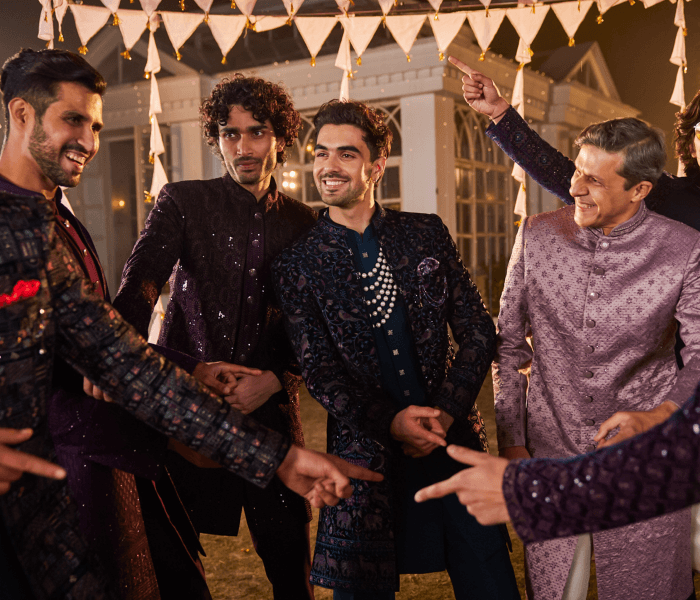
The sangeet is the party night, complete with music and performances of songs and dances. Go all out.
Women: Sequined saree, indo-western gown, lehenga or palazzo set in glitters. You need to choose something that suits your movements.
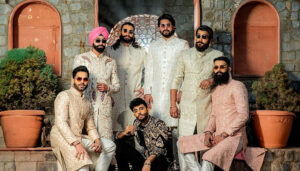
Men: Bandhgala, printed or embroidered kurta with a jacket or sherwani-lite. Velvet and brocade are good choices in winters.
➥ Wedding Ceremony
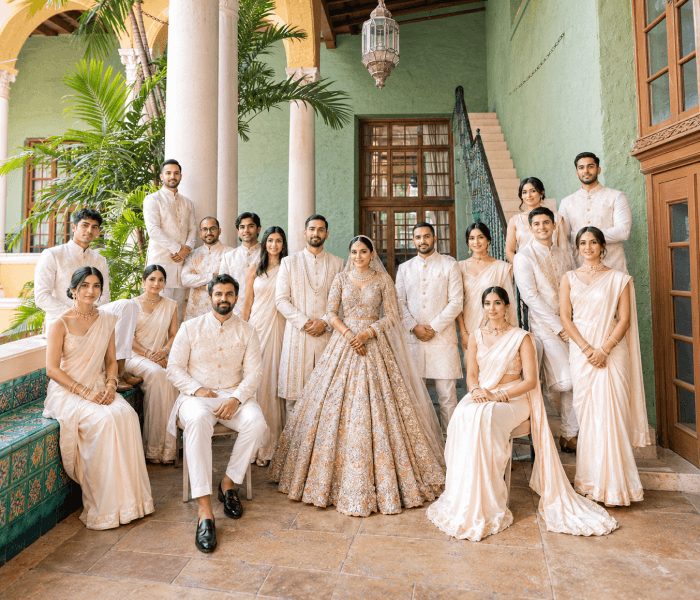
The main ceremony is the most formal occasion and can also be religious. Dress in formal attire.
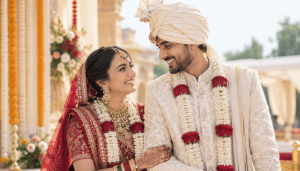
Women: Silk saree, Banarasi or Kanjeevaram, heavy lehenga or salwar suit in deep jewel colors like emerald, maroon, royal blue or mustard.
Men: Sherwani, bandhgala suit, or kurta with a Nehru jacket in cream, beige, navy or deep colors.
➥ Reception
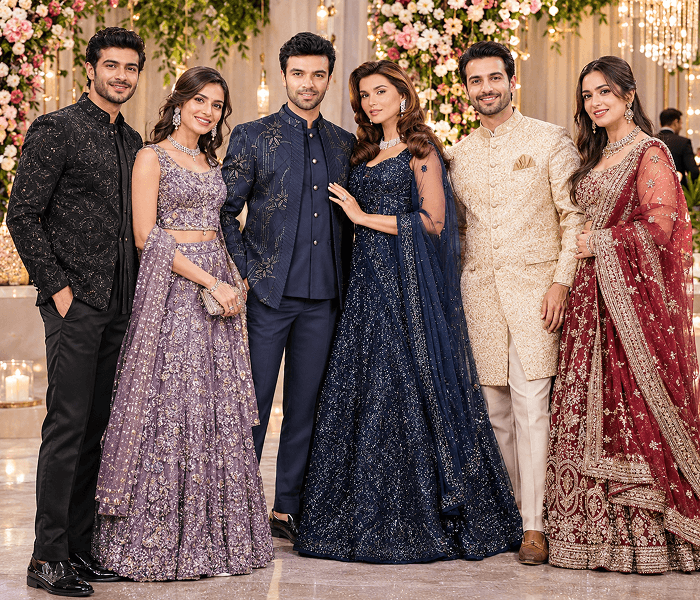
The reception is usually the most glamorous evening affair, so this is your chance to dress in style.
Women: Designer saree, gown, heavy embroidered lehenga or indo-western wear.
Men: Well-tailored suit, tuxedo, sherwani or bandhgala.
Read Also: 30+ Stunning Fall Wedding Dresses for 2026
Colours to Wear and Colours to Avoid
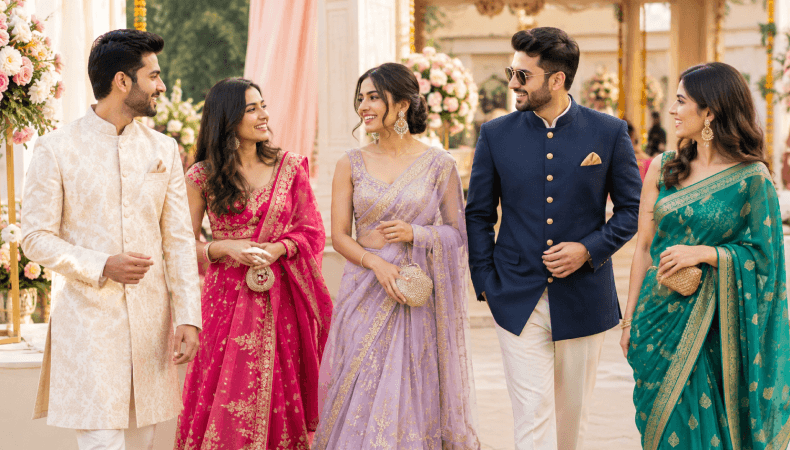
➔ Wear: Jewel tones such as emerald, ruby, sapphire and amethyst. Pastels like mint, peach, powder blue and lavender. Deep colours like mustard, teal, coral and burgundy. They look festive and photograph well.
➔ No white: In most Hindu societies, white is associated with mourning, and hence it is always better to avoid wearing completely white dresses. It is acceptable to wear white with coloured accents; however, it is advisable to verify local customs.
➔ No black: Black is usually considered inauspicious in weddings in most societies. However, nowadays, it has become relatively acceptable at cocktail parties and receptions, but in the ceremony itself, it is better to wear some other colour.
➔ No red (for women): Red is usually considered the colour of the bride. Unless stated on the invitation, you can avoid wearing bold red and bridal red.
➔ No matching of the bride: In case you know the colour of her dress, avoid wearing it.
Fabric Guide: Dress for Comfort and the Weather
Weddings involve long hours of sitting, standing and dancing, so fabric matters.
- Summer: Cotton, linen, chanderi, organza and light georgette will make you feel cool.
- Monsoon: Opt for fast drying materials like georgette and crepe. Avoid heavy silks that cannot bear humidity.
- Winter: Velvet, brocade, silk and wool blend jackets or shawls make you feel warm.
- Embroideries: The heavy embroidery is beautiful but can be uncomfortable and tiring. Look at the inner part before buying.
Outfit Ideas for Women
➔ Saree: Stylish and elegant, a saree is suitable for any occasion. A silk saree for your wedding ceremony, a pastel chiffon for day-time and a sequined or shimmery saree for evening time. For those who face difficulty draping a saree, there are pre-stitched sarees and saree gowns.
➔ Lehenga: A popular choice among the guests as well. Lighter lehengas with less embroidery are perfect for day-time, while heavier ones go better with sangeet and reception ceremonies.
➔ Anarkali or salwar suit: Comfortable and elegant attire which looks good on every physique. Anarkali is ideal if you want to move around and dance freely.
➔ Sharara or gharara: Perfect party-wear for mehndi and sangeet functions.
➔ Indo-western: Kurta with a cape, a jacket with a dhoti skirt or a draped gown. Ideal for guests looking for a modern yet Indian look.
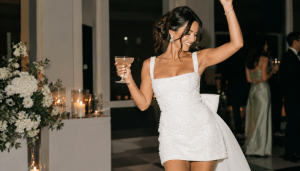
➔ Western dresses: In case you do not have Indian wear, then an ankle-length dress or a jumpsuit in rich colors can be considered, especially for receptions. Anything short, backless or too revealing must be avoided at all religious ceremonies.
Outfit Ideas for Men
➔ Set Kurta: Simplest selection. Wear kurta along with churidar, pyjama or trouser with a jacket on formal occasions.
➔ Nehru Jacket: It can be worn over Kurta/shirt to instantly create a formal impression.
➔ Bandhgala: Form-fitting and closed neck jacket which is very impressive on receptions and functions.
➔ Sherwani: Reserved for the closest of family and functions. Guests must not outshine the bridegroom, hence select something less fancy in colour and embroidery.
➔ Formal Suit/Tuxedo: Perfect outfit for reception. Select Navy blue or dark green or charcoal instead of black outfit for wedding ceremony.
Footwear and Accessories
➔ Jewellery: For women, statement earrings, maang tikka, bangles, and/or layered necklaces are great options. It is recommended that only one accessory should become the main focus. In case your dress is already heavily embroidered, don’t wear too many accessories.
➔ Footwear: Comfort is essential. You should take juttis, kolhapuris, and low block heels. In case of dancing, have a pair of flats with you. Men should wear mojaris, loafers, and formal shoes according to the type of function.
➔ Bags: A small potli bag or clutch with room for your phone, a lipstick, and other essential stuff would work best.
➔ Dupatta/stole: Dupatta gives you grace, as it can also help you cover your head/shoulders at religious places. Men could even wear a stole to look smart.
➔ Pocket things: It could include safety pins, tissues, fan during summers, and charger, among other things.
Etiquette and Dos and Don’ts
- Cover up for religious ceremonies. Temples, gurdwaras and mosques may require covered shoulders, legs and sometimes head. Carry a dupatta or scarf.
- Remove your shoes where asked. At many ceremonies, footwear is left outside, so wear socks or clean feet and avoid very expensive shoes.
- Don’t overshadow the couple. Dress beautifully, but let the bride and groom be the centre of attention.
- Be comfortable. You’ll be there for hours, so choose an outfit you can sit, eat and dance in.
- Plan your hair and makeup. Heat, humidity and long hours affect your look, so choose products that last.
- Do a trial run. Try on your outfit, jewellery and shoes a week before so there are no surprises.
Renting vs Buying
If you’ll only wear the outfit once, renting can be a smart move. Many cities and online platforms offer designer lehengas, sherwanis and sarees at a fraction of the retail price.
If you plan to wear the outfit again, buying from local markets or boutiques lets you customise the fit. Whichever route you take, allow time for alterations, since a good fit makes even a simple outfit look polished.
Final Thoughts
Attending an Indian wedding is more about having fun than following any set guidelines. Select an appropriate color scheme based on the occasion, select clothes that are appropriate for the season, keep the focus on the bride and the groom and use a couple of accessories to personalize your look. If you do all of that, you will definitely blend into the crowd even if it is your first Indian wedding.
Listen to the music, taste the food and dance!
Related Posts