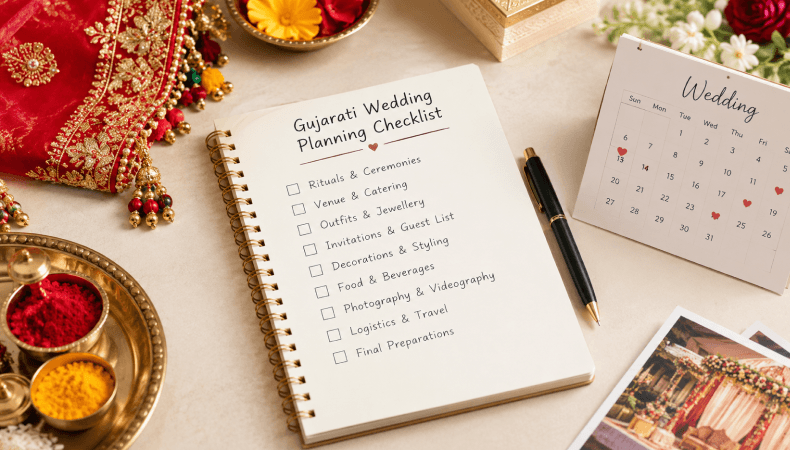
Gujarati weddings are known for their colourful decorations, family traditions, delicious food, music, and joyful celebrations. From the engagement ceremony and wedding rituals to the reception, every event brings family and friends together.
However, planning a Gujarati wedding involves many tasks. And that’s when a Gujarati wedding planning checklist comes in handy. Having a checklist handy helps couples prevent stress and enjoy the process. A well-curated wedding checklist can help couples organise everything, manage budget, coordinate with vendors and keep track of important rituals.
In this post, we are sharing a wedding planning checklist for couples set to host a Gujarati wedding. Whether you are planning a traditional Gujarati wedding or a modern celebration, this checklist is all you need to make wedding planning seamless. So, without any further ado, let’s get started…
- Gujarati Wedding Planning Checklist
- 1. Set Your Wedding Budget
- 2. Finalise the Wedding Date and Venue
- 3. Prepare the Guest List
- 4. Plan the Gujarati Wedding Ceremonies
- 5. Choose Wedding Outfits and Jewellery
- 6. Finalise the Gujarati Wedding Menu
- 7. Book Your Vendors (Photographers, Makeup Artists and Others)
- 8. Send Wedding Invitations and Manage Guest Accommodation
- 9. Arrange Wedding Favours
- 10. Arrange Ritual Essentials
- 11. Prepare a Wedding-Day Schedule
- 12. Complete the Final Checks Before the Wedding
- Month-by-Month Wedding Planning Timeline
- Conclusion
Gujarati Wedding Planning Checklist
Here is a detailed Gujarati wedding planning checklist to help you prepare for every important detail. Take a look…
1. Set Your Wedding Budget
Before you plan other things, make sure to set your wedding budget first. Deciding how much you want to spend on the wedding is the first and foremost step to a successful Gujarati wedding. Discuss the budget with both families and decide how the expenses will be managed. Gujarati weddings can be simple or grand, depending on your budget, guest list, venue, food, outfits, decorations, and number of ceremonies.
Make a list of the main expenses, which include, wedding venue, guest accommodation, catering, bridal and groom outfits, wedding sweets, jewellery and accessories, wedding photography and videography, wedding decorations and flowers, bridal makeup and hairstyling, invitations and wedding favours, entertainment, transportation, priest, wedding planner and miscellaneous expenses.
Pro Tip: Think about the aspect that matters most to you and your family. You may want to spend more on food and guest comfort while keeping decorations simple. Accordingly, you can create your wedding budget. Know that a clear budget can help you plan better and avoid unnecessary stress.
2. Finalise the Wedding Date and Venue
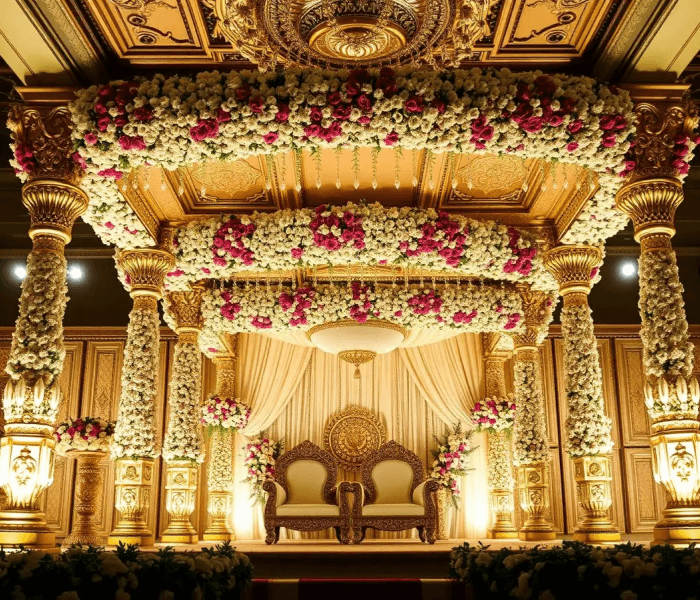
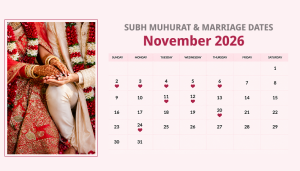
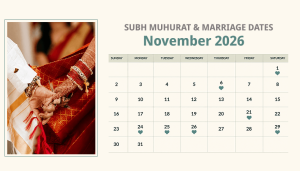
Once the budget is ready, finalise the wedding date. If you are planning a traditional Gujarati wedding, then consulting a priest to select an auspicious date and time, known as the muhurat is crucial. Consult an experienced astrologer or priest to finalize your wedding date.
After confirming the date, start looking for a suitable venue. Keep in mind that popular wedding venues get booked first. Hence, you are required to finalise your wedding date months in advance, particularly if you plan to host your wedding during the main wedding season.
You can choose a banquet hall, hotel, garden, farmhouse, community hall, or resort based on your budget and wedding style. Before booking, check the seating capacity, available space, parking, guest rooms, catering options, and decoration facilities. Also, ask about music permissions, extra charges, facilities for elderly guests, and backup arrangements for bad weather.
Pro Tip: If you are planning several wedding functions, decide whether to hold them at one venue or different locations in advance. Choosing one venue would be easier to manage; however, different venues can give each function a unique feel.
3. Prepare the Guest List
Once your wedding budget is prepared and dates are finalized, it’s time for preparing the guest list. Understand that your guest list will affect almost every part of your wedding planning, including the venue, catering, accommodation and invitations. Make your guests list with your and groom’s family members. Decide how many guests will attend each ceremony.
Include close relatives, friends, colleagues, neighbours and other people you wish to invite. Identify guests travelling from other cities. Also, make a list of elderly guests who may need special assistance. Once your lists are ready, get it reviewed by both families before combining them. Finally, estimate the total number of guests.
Pro Tip: Create a spreadsheet with guest names, contact details, invitation status, and accommodation requirements. This will help you communicate with guests and give the caterer a more accurate headcount. Also, keep track of invitations and confirmations.
4. Plan the Gujarati Wedding Ceremonies
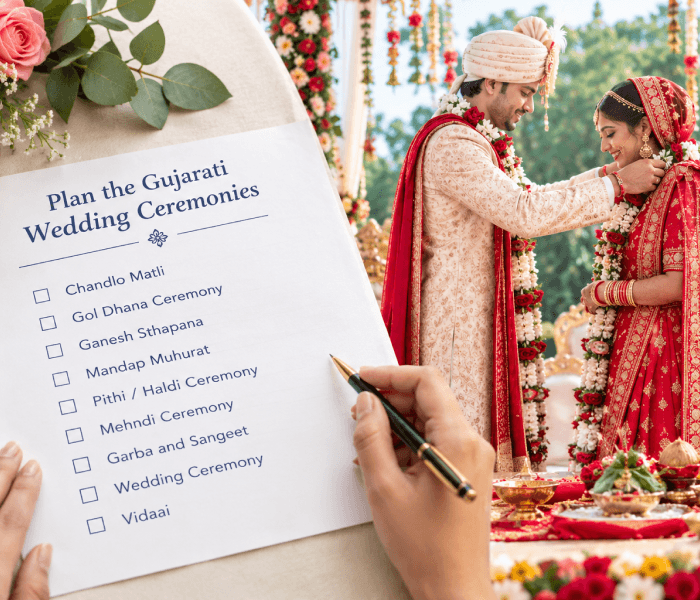
Gujarati weddings include several traditional rituals. However, you don’t need to include all of them in your wedding ceremony. You can customize your wedding according to your family preferences and traditions. Discuss the ceremony schedule with both families and the priest to make arrangements accordingly.
Here is a quick list of Gujarati ceremonies you can choose to include:
⮩ Gol Dhana:
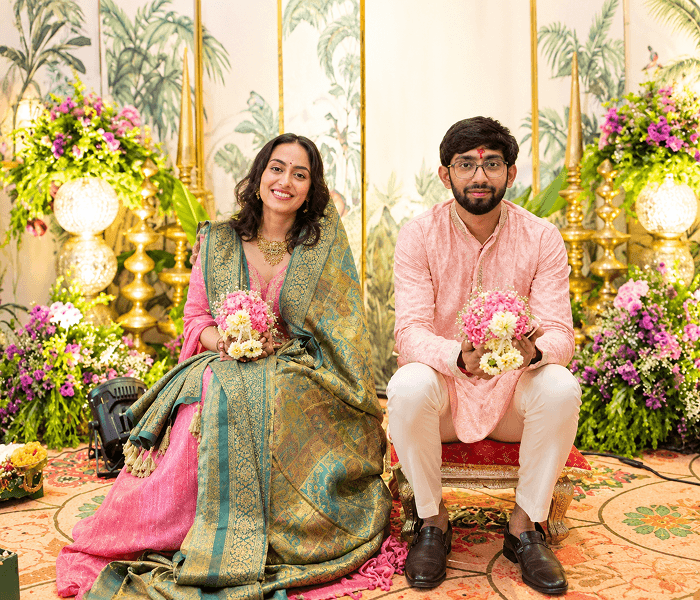
Gol Dhana is a traditional Gujarati pre-wedding ceremony, very similar to engagement in other parts. Families formally celebrate the couple’s union in Gol Dhana. Gifts, sweets and blessings are often exchanged.
Checklist:
- Finalise the date and venue.
- Arrange outfits for the couple.
- Prepare gifts and sweets for both families.
- Book a photographer.
- Arrange seating, refreshments, and decorations.
⮩ Mehndi Ceremony:

The mehndi ceremony is considered an important celebration in Gujarati weddings. It involves applying henna to the bride’s hands and feet and is often accompanied by music, snacks, colourful decorations and family celebrations.
Checklist:
- Book a reliable mehndi artist.
- Choose a comfortable outfit for the occasion.
- Arrange proper seating for the bride and guests.
- Plan music and light refreshments.
Read More: Latest Front & Back Hand Wedding Mehndi Designs 2026
⮩ Pithi Ceremony:

Pithi or Haldi ceremony a traditional Gujarati pre-wedding ritual in which a turmeric-based paste is applied to both the bride and groom.
Checklist:
- Arrange turmeric paste and other required materials according to family customs.
- Choose outfits suitable for the ceremony.
- Arrange towels and cleaning supplies in advance.
- Make arrangement for local music and entertainment.
- Arrange refreshments for family members and guests.
⮩ Garba and Sangeet:
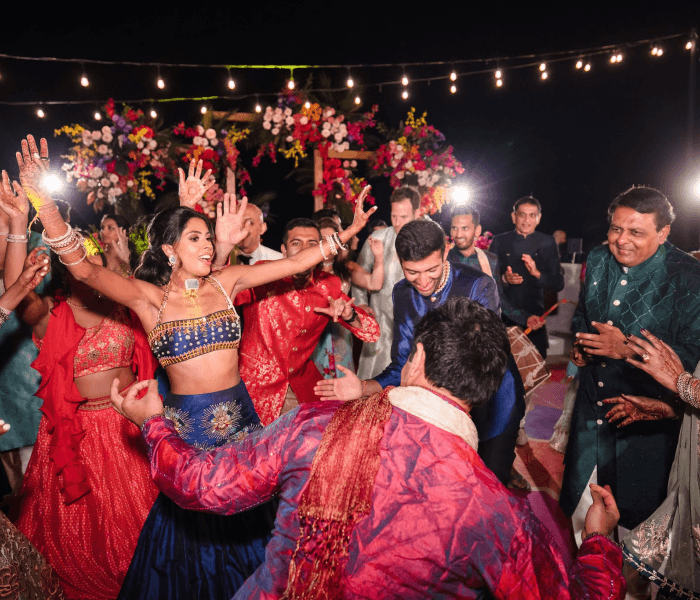
Garba is yet another important celebration in Gujarati wedding. It is often included in pre-wedding celebrations. You can combine it with wedding a sangeet night to have lots of fun.
Checklist:
- Book a DJ, musicians or a sound system well in advance.
- Prepare a playlist of Gujarati folk songs and popular dance numbers.
- Coordinate family dance performances.
- Arrange a suitable dance floor.
- Check lighting, sound, and seating arrangements.
⮩ Mandap & Wedding Ceremony:
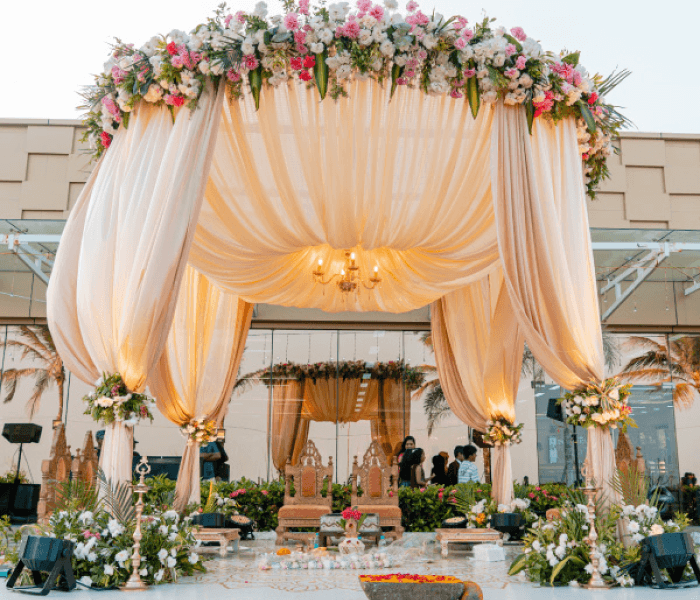
The wedding ceremony is the main event, which includes the mandap rituals, Jaimala (the exchange of garlands), Pheras, Kanyadaan, Saptapadi and other customs depending on family preferences.
Checklist:
- Confirm the muhurat for all the rituals with the priest.
- Arrange the mandap and required ritual materials.
- Coordinate the bride’s entry and the groom’s procession.
- Keep the wedding outfits and accessories ready.
- Inform the photographer about important rituals.
- Confirm the timing with the priest and venue team well in advance.
*You can choose customs according to your religious traditions. But make sure you confirm the exact rituals beforehand to avoid any chaos later.
⮩ Wedding Reception:
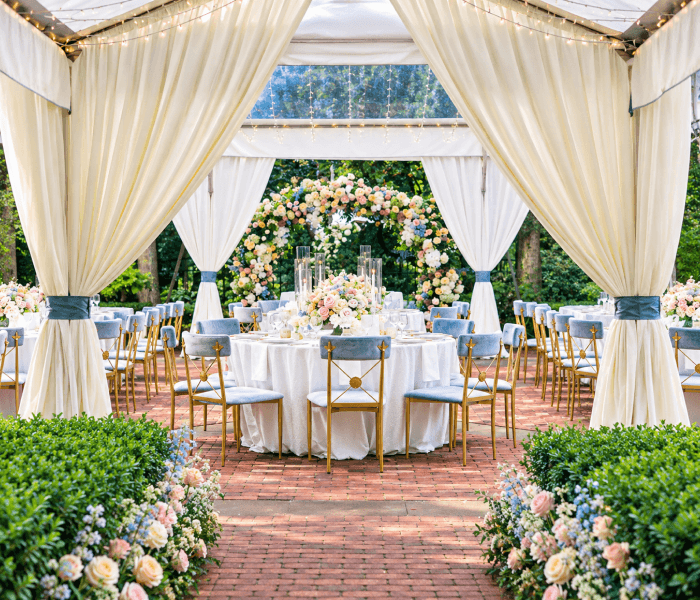
The wedding reception mostly takes place at the groom’s place after the bride reaches there. It provides an opportunity for the couple to meet and greet relatives, friends and other guests. It includes dinner, music, dance, photographs and lots of fun.
Checklist:
- Confirm the reception venue in advance.
- Arrange a stage or photo backdrop.
- Arrange the separate reception outfits for the couple.
- Plan guest seating and entry arrangements.
- Finalise the reception menu.
- Coordinate music, dance performances and photography.
5. Choose Wedding Outfits and Jewellery
Once your ceremonies are finalized, it’s time to choose your wedding outfits and jewellery according to your events. Gujarati wedding outfits often feature bright colours, traditional embroidery, and beautiful accessories. Brides may wear a Panetar or Gharchola saree, a lehenga or an outfit that suits their style and family traditions. Grooms may choose a sherwani, kurta, dhoti, or other traditional attire.
However, you are advised to shop well in advance so that you have enough time for fittings, alterations and matching accessories. Make a list of dresses you wish to wear for each function, such as: Engagement outfits, Mehndi and pithi outfits, Garba or sangeet clothing, Wedding outfit and Reception outfits. Also, buy matching footwear, jewellery, and accessories (such as dupattas, turbans, tiaras and others) well in advance.
Pro Tip: Keep each outfit and its matching accessories in a separate bag labelled for each function. This makes it easier to find everything during busy wedding days. For jewellery, decide what to buy, borrow, or reuse. Since traditional jewellery can be expensive, planning ahead helps you manage your budget.
6. Finalise the Gujarati Wedding Menu
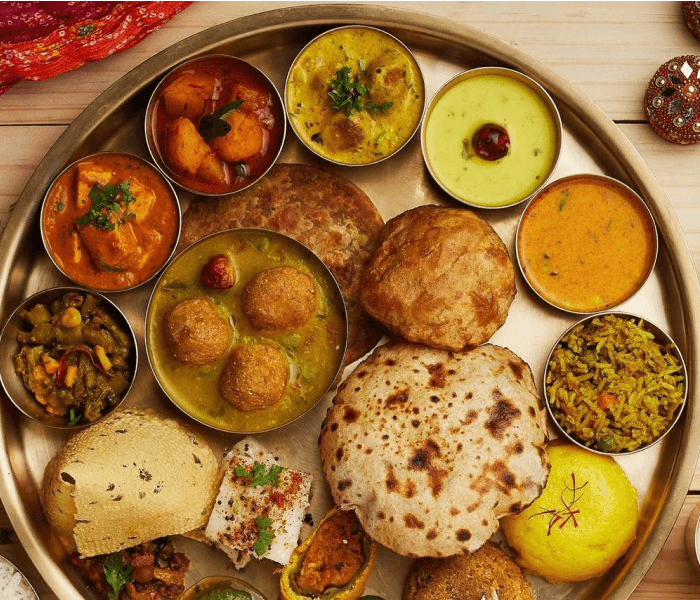
Food is one of the most important parts of a Gujarati wedding. Gujarati wedding menu often includes traditional dishes, snacks, sweets and a generous wedding feast. Consider including Gujarati favourites such as dhokla, khandvi, and fafda, along with main dishes like undhiyu, Gujarati kadhi, and seasonal vegetables. Serve them with rotli, puri, rice, or khichdi. For sweets, consider mohanthal, shrikhand, basundi, and jalebi. You can also add Punjabi, Rajasthani, South Indian, or international dishes for more variety.
Decide whether you want a traditional Gujarati thali or a buffet before you finalize your wedding menu. Also, you are advised to choose dishes according to the season and time of the function. Make sure to include a suitable variety of snacks, mains and desserts along with drinking water and beverages.
Pro Tip: Discuss the menu with your caterer, including food freshness, serving counters, and staff. Share guests’ dietary needs, confirm serving times, and arrange a food tasting before finalising the menu. Most importantly, focus on having a balanced selection of well-prepared food rather than an unnecessarily large spread.
7. Book Your Vendors (Photographers, Makeup Artists and Others)
Reliable vendors can make your wedding a great success. However, it is crucial to book them well in advance. Also, it is worth noting that the best and most popular ones are booked months ahead. Therefore, you are advised to book photographers, makeup artists, decorators and entertainment well in advance.
⮩ Vendor Checklist:
- Wedding Photographer and Videographer
- Bridal Makeup Artist and Hairstylist
- Groom’s Grooming Services
- Florist and decorator
- Wedding Caterer
- DJ or Live Music Performers
- Mehndi Artist
- Choreographer for Sangeet Night Preparation (if required)
- Priest
- Transporter
- Wedding Planner (if required)
Meet all your wedding vendors in person to discuss all the details. Ask vendors to share their packages, inclusions, working hours and additional charges. Read the booking terms carefully and confirm the payment schedule before signing the dotted lines.
Also, don’t forget to share the wedding-day schedule with all your vendors well in advance so that everyone knows when and where they need to arrive.
Pro Tip: Create a separate spreadsheet for vendors with their names, phone numbers and payment schedules to keep track of payment and other details.
8. Send Wedding Invitations and Manage Guest Accommodation

Wedding invitations should be sent early enough so that your out-of-town guests can make travel arrangements in a timely fashion. You can choose to get your invitations printed or opt for e-invites or have a combination of both. It is absolutely up to you.
Include all your wedding details, such as the wedding date, time, venue address and other details of the relevant ceremonies in your wedding card. Provide a clear schedule of all the functions.
Aside from that, book accommodation for your guests who will be travelling from other cities well in advance. You can book hotels, guesthouses or family homes depending on your budget and number of out-of-town guests.
Checklist:
- Confirm room availability and booking dates.
- Arrange airport or railway station pickups (if needed).
- Share hotel addresses and travel instructions.
- Have someone taking care of guests’ accommodation.
- Do share person’s contact number and name with guests (in case they need assistance).
- Confirm the final guest count with the venue and caterer.
Pro Tip: Do share the wedding schedule and important contact numbers along with a small welcome note so that your guests feel valued and welcomed.
9. Arrange Wedding Favours
Wedding favours are pretty common in Gujarati weddings. You can choose to give sweets, clothes, dry fruits or other traditional gifts as wedding favours or customize wedding favours according to your preferences. If you choose to customize, then get the wedding date along with couple’s names printed on the boxes or gifts.
Some of the best options include, sweets, dry-fruit boxes, small keepsakes or locally made products. If you plan to DIY wedding favours, then make sure you prepare them well in advance.
10. Arrange Ritual Essentials
Gujarati weddings include a number of rituals. Thankfully, most of them require almost same essentials. Still, you are advised to consult the priest or family elders to make the list of ritual essentials and arrange them in advance.
Gujarati ritual essentials of ten include, flowers, rice, coconut, turmeric, kumkum, betel nuts, sacred thread, mango leaves and so on depending on the ceremony.
Pro Tip: Make sure to pack the ritual items separately and label them clearly. Also, ask a trusted family member to check that everything is ready before the ceremony.
11. Prepare a Wedding-Day Schedule
Once you have finalised the wedding functions and rituals, prepare a wedding-day schedule. A clear schedule allows everyone to (including you, your family members, vendors and guests) to have clear idea of what happens next. Consult your priest for preparing a wedding schedule according to shubh muhurat.
Your wedding-day schedule must include:
- Makeup and hairstyling appointments (mostly in the morning for day wedding and early evening for night celebrations)
- Photographer arrival
- Bride and groom preparation
- Guest arrival
- Baraat or groom’s procession
- Wedding rituals
- Meal service
- Family photographs
- Reception
- Wedding rituals (jaimala, phera, and kanyadaan)
- Departure
Allow extra time between important events. Take traffic, makeup delays, late arrivals, and extended rituals into account.
Pro Tip: Assign tasks to reliable family members or friends who can manage vendors. Besides that, you can also ask someone to assist guests and look after gifts and ritual items. This will help you enjoy the wedding without worrying about every detail.
12. Complete the Final Checks Before the Wedding
Confirm all the arrangements a week before your wedding. Review your checklist and contact every important vendor a week before your wedding.
⮩ Final Review Checklist:
- Venue booking
- Payment confirmation
- Guest list and accommodation details
- Wedding outfits and accessories
- Jewellery and personal belongings
- Venue decoration
- Music, lighting, and decorations
- Final catering menu
- Photography and makeup timings
- Ritual materials and priest’s schedule
- Transportation and parking arrangements
- Emergency contacts and basic first-aid supplies
- Cash or payment arrangements for outstanding expenses
- Backup plans for weather or unexpected delays
Pro Tip: Keep all the important documents, jewellery, cash, and other valuables in a secure place. You can have someone reliable taking care of all these things for you so that you can focus on your wedding without any stress.
Month-by-Month Wedding Planning Timeline
Here is a timeline that you can follow to ensure a seamless wedding planning; take a look…
⮩ Tasks To Be Accomplished Month-Wise
- 9–12 Months: Set the budget, choose the date, prepare the guest list and book the venue.
- 6–8 Months: Book major vendors, plan the ceremonies and begin outfit shopping.
- 4–5 Months: Finalise the menu, send save-the-date messages and arrange guests’ accommodation.
- 2–3 Months: Send wedding invitations, confirm outfits for each event, plan performances, and finalise wedding favours.
- 1 Month: Confirm guest numbers, vendor schedules, transportation and ritual materials.
- 1 Week: Conduct final checks, pack outfits, delegate responsibilities to reliable family members or friends, confirm payments and share the wedding-day schedule with all your family members, vendors, priest and guests.
- D Day: Follow the schedule and enjoy the celebrations.
*You can adjust the timeline depending on the time you have in hand. Just know that a small wedding needs less planning, while a multi-day celebration with many guests requires more time and preparation. So, plan wisely!
Putting it all together…
So, there you have it: the complete Gujarati wedding planning checklist. It includes everything that you need to arrange for your wedding. Planning a Gujarati wedding involves many tasks, such as budgeting, managing guests, organising rituals, choosing the menu and coordinating with vendors. Having a checklist is essential to ensure these tasks are managed perfectly and also avoid missing important details.
For a successful wedding, you are advised to start planning early, confirm key arrangements and keep some room for unexpected changes. Also, choose arrangements that suit your customs, religion, family traditions, budget and guests. With proper and timely planning, you can host a memorable Gujarati wedding without any problem.
Happy Wedding… 😊 😊
Related Posts